How Staged Warehouse Delivery Prevents FF&E Installation Delays
Updated: Oct 1

How does staged warehouse delivery prevent FF&E installation delays?
Staged warehouse delivery organizes FF&E inventory at a secure facility by floor, zone, and room number before it reaches the job site. Items are released to the site only when that specific area is ready for installation. This eliminates out-of-sequence deliveries, reduces on-site sorting time, prevents crew holds, and keeps the installation running in a controlled, predictable order from start to finish.
Key Takeaways
Most FF&E installation delays don't start on the job site. They start weeks earlier when delivery sequence isn't planned at the warehouse level.
Staged warehouse delivery means items go to your site in the order rooms are ready, not in the order vendors shipped them.
A proper warehouse management company organizes inventory by floor and room number before the first truck leaves the dock.
Direct-to-site delivery puts your installation crew in charge of sorting inventory that should have been sorted at the warehouse. That costs days, not hours.
Pure Logistics has used staged delivery across 726 FF&E projects in 22 states since 2006, cutting installation time on large hotel renovations by several days per engagement.
The Delay Didn't Start on the Job Site. It Started Three Weeks Earlier.
Here's a situation we see more than we should.
A 180-room hotel renovation in Denver is three days into installation. The crew is on the third floor. But half the furniture for floors four and five arrived two weeks ago and is stacked in the lobby because there was nowhere else to put it. Floor two still has pieces from a vendor who shipped early. The installation drawings are on a tablet that nobody can find. And the general contractor just called to say floors six and seven are ready two days ahead of schedule, but the pieces for those floors are still in transit.
The project manager is managing chaos instead of managing the project.
This isn't bad luck. It's what happens when warehouse delivery logistics USA teams rely on isn't planned around installation sequence. Items shipped by vendors on their schedule, received at the dock, and sent directly to the site without any staging in between.
Staged delivery fixes this. And it fixes it before the first truck ever leaves our facility.
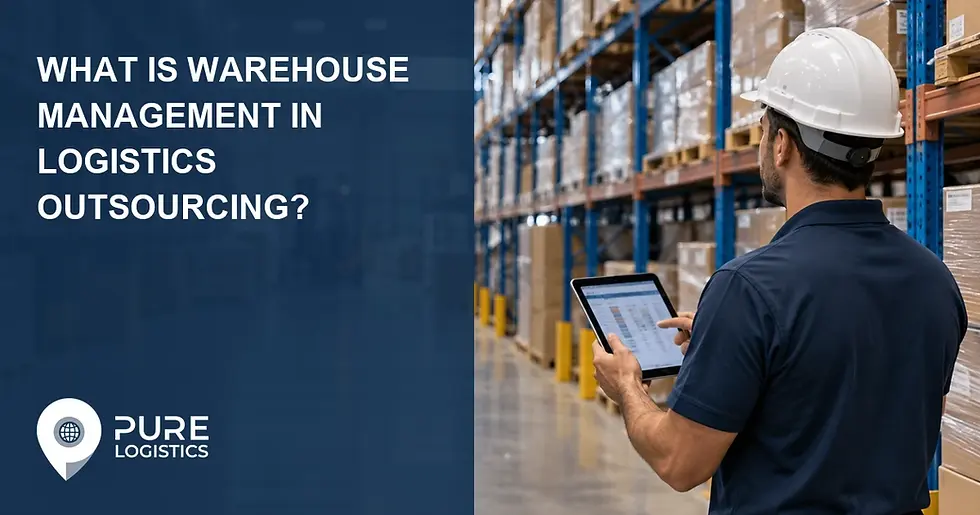
Looking for background on how warehouse management works overall? Read our breakdown here: What Is Warehouse Management in Logistics Outsourcing
What Is Staged Warehouse Delivery in FF&E Logistics?
Staged warehouse delivery is the process of receiving FF&E inventory at a secure facility, organizing it by project zone, floor, and room number, and releasing it to the job site only when that specific area is cleared and ready for installation. Instead of shipping items as they arrive from vendors, a warehouse management company holds and sequences everything so your installation crew receives exactly what they need, when they need it, in the right order.
Quick Summary - What This Article Covers:
Why direct-to-site delivery creates installation delays even when freight arrives on time
How staged delivery controls sequence and protects your installation timeline
What the process looks like from receiving through final site delivery
How to tell if your current logistics setup is costing you installation days
Why Direct-to-Site Delivery Creates Installation Problems
Direct-to-site delivery sounds efficient. Vendor ships, truck arrives, crew installs. Simple.
But it only works when every vendor ships at exactly the right time, every floor is ready in vendor-shipment order, no items arrive damaged, and the site has enough space to hold everything that arrives early.
None of those things are reliably true on a real FF&E project.
Here's what direct-to-site actually looks like across a 150-room renovation in Houston:
Vendor A ships headboards two weeks early. They sit in the lobby.
Vendor B ships case goods on schedule, but floors three and four aren't ready yet. They stack in the corridor.
Vendor C ships lighting that needs to be installed before the case goods, but arrived after them.
Floor five is ready four days early. None of the floor five items are on-site yet.
A shipment arrives with no purchase order reference and nobody knows which rooms it belongs to.
Your installation crew isn't installing. They're sorting, searching, moving, and waiting. Every hour they spend on that is an hour not spent on rooms. And every day the project runs over is a day closer to an opening date that doesn't move.
This is why how to prevent ff&e installation delays is one of the most common questions we get from project managers across the US. And the answer almost always starts at the warehouse, not the job site.
Why do most FF&E installation delays happen even when freight arrives on time?
Most FF&E installation delays happen because of sequence problems, not shipping problems. Freight can arrive on time and still create delays if items land at the job site before those rooms are ready, or in an order the installation crew can't work with. Staged warehouse delivery solves this by holding inventory at a facility and releasing it to the site only when each specific area is cleared for installation. On-time freight without staging still creates chaos. On-time freight with staging keeps the installation moving.
What Staged Warehouse Delivery Actually Does
Staging isn't just warehousing. It's active sequencing of your inventory around your installation schedule.
When Pure Logistics manages warehouse management services USA project teams need for large FF&E jobs, here's what staging actually means in practice:
Items arrive at our facility, not at your job site. Every shipment from every vendor lands at our warehouse. This gives us control over what moves to your site and when.
Everything gets organized by where it's going, not where it came from. Storage isn't by vendor name or arrival date. It's by floor number, zone, and room number. When floor seven is ready, we know exactly where every floor seven item is and can stage it for delivery without touching anything else.
Delivery windows are coordinated with your construction schedule. Your project manager and our team track which floors are ready, which areas are cleared, and which rooms are next. Delivery goes out when the site is ready to receive it, not when the warehouse wants to move it.
Installation crews receive staged loads, not random deliveries. Instead of a truck showing up with 30 pieces from six vendors for six different floors, delivery goes in floor sequence. Crew opens the truck and knows exactly what's there and where it goes.
Nothing sits in a lobby or corridor waiting for its floor to open up. Items stay in our facility until the moment they're needed. Your site stays clear for the trades working ahead of installation.
This is what logistics outsourcing services in the USA look like when they're designed around your opening date, not around carrier convenience.
Your Installation Schedule Shouldn't Wait on Your Warehouse. Pure Logistics stages every FF&E delivery around your floor-by-floor construction sequence. |
How the Staging Process Works Step by Step

Here's exactly how Pure Logistics runs staged delivery on a hotel renovation:
Step 1 - Pre-Project Planning
Before a single item ships, our project manager reviews your installation drawings, construction schedule, floor readiness timeline, and purchase orders. We map every item to its destination floor and room. Vendor shipping windows get aligned with when those areas will actually be ready.
Step 2 - Receiving at Our Facility
Every shipment lands at our warehouse. Each item gets logged against the purchase order, assigned to its floor and room location in our system, and moved to the corresponding storage zone. Your team can see every item's status in real time through our proprietary Customer Dashboard 24 hours a day.
Step 3 - Open and Inspect
Every carton gets opened. Every item gets checked for damage, wrong specifications, and missing components before it goes into storage. Damage claims get filed immediately. Replacements get ordered before installation starts.
Step 4 - Room-in-a-Box Staging
As each floor approaches readiness, we pre-stage everything for those specific rooms. Furniture, lighting, bedding, accessories, and hardware for room 318 go together as one unit. The crew opens it and installs without cross-referencing anything.
Step 5 - Coordinated Site Delivery
Delivery to the site happens in floor sequence, coordinated with your construction team. Floor three goes when floor three is ready. Not before. Not mixed with floor seven. Your general contractor knows exactly what's coming and when.
Step 6 - Installation Without Holds
The crew works in sequence because the delivery was in sequence. No sorting. No searching. No waiting for pieces that should have been on the truck. Rooms get completed in order, floors get closed out, and your opening date stays protected.
We ran this process on a 220-room Hilton renovation in St. Louis and cut the projected installation time from 16 days to 11. Same crew. Same scope. Different logistics model.
What is the difference between staged delivery and direct-to-site delivery for FF&E?
Direct-to-site delivery means items ship from vendors to the job site as they become available. Staged warehouse delivery means items ship from vendors to a warehouse facility first, where they are organized by floor and room, then released to the site in installation sequence. For FF&E projects with multiple vendors and phased construction schedules, direct-to-site creates sequencing chaos that costs installation days. Staged delivery keeps crews working in order and sites clear of early arrivals that have nowhere to go yet.
The Real Impact on Installation Timelines
Let's put numbers to this.
A 150-room hotel renovation without staged delivery typically runs into these problems:
2 to 3 days of crew time spent sorting and re-sorting deliveries
1 to 2 floors held because pieces arrived before construction was ready
At least one partial floor where some items are on-site and some aren't, creating a partial installation hold
On-site damage discovered at room level that could have been caught at receiving
That's 4 to 6 days of installation time that didn't need to happen.
With staged delivery from a warehouse management company running a proper sequence, those problems largely disappear. Crews work in order. Floors close out on schedule. Damage is caught before the truck leaves our dock.
Across the 726 projects we've managed since 2006, the pattern is consistent. Teams that use staged delivery finish installation faster, with fewer holds, and fewer day-of surprises than teams managing direct-to-site.
According to the Council of Supply Chain Management Professionals, poor delivery sequencing is among the leading operational contributors to project delays in commercial renovation environments. The fix isn't faster shipping. It's smarter staging.
How much time does staged warehouse delivery save on a hotel FF&E installation?
On a 100 to 200-room hotel renovation, staged warehouse delivery typically saves 3 to 6 installation days compared to direct-to-site delivery. The savings come from eliminating on-site sorting, preventing crew holds when floors aren't ready, and catching damage at receiving rather than at the room level. Pure Logistics has reduced installation time on multiple large-scale projects by 4 to 5 days through staged delivery sequencing, coordinated with the construction team's floor readiness schedule.
When Staged Delivery Matters Most
Staged delivery makes the biggest difference in specific project scenarios. Here's when it's not optional:
Multi-floor hotel renovations with phased construction
If floors are being handed over to you on a rolling schedule, staged delivery is the only way to keep inventory off floors that aren't ready yet. A full service logistics company running staged delivery knows which floors are live and which aren't before the truck gets loaded.
Projects with 10 or more vendors
The more vendors you have, the more likely they are to ship on their own schedules rather than yours. Staging holds everything until your sequence is ready. Without it, you're constantly reacting to what just arrived instead of executing the plan.
Senior living renovations with occupied buildings
When residents are still in the building, you can't have FF&E stacked in corridors waiting for rooms to open. Warehouse staging for hotel renovation applies equally here. Items stay at the facility until the exact moment they're needed and can go directly to the room.
Healthcare facility buildouts with infection control requirements
Items can't sit in staging areas near active patient care zones. Staged delivery from an off-site facility means items move from warehouse to room in a single controlled transfer.
Any project where the opening date is fixed and non-negotiable
Which, honestly, is every project we work on. If you can't push the opening, you can't afford installation delays caused by out-of-sequence deliveries.
Need FF&E Delivered in the Right Order, to the Right Floor, at the Right Time? Pure Logistics coordinates staged delivery around your construction schedule on every engagement. |
How to Know If Your Logistics Partner Does This Right
Not every provider who uses the word "staging" is running a real staged delivery process. Here's what to ask:
How do you organize warehouse storage for our project?
The answer should be by floor and room number, not by vendor or arrival date. If they say arrival date, they're not staging for your sequence.
How do you coordinate delivery windows with our construction schedule?
A real logistics service partners relationship means your warehouse provider talks directly to your construction team about floor readiness. If that conversation doesn't happen, deliveries go out on the warehouse's schedule, not yours.
What happens if a floor opens early or gets pushed back?
Your staged delivery provider should be able to hold items at the facility at no additional disruption to your site. Ask specifically how they handle schedule changes because they happen on every project.
Can my team see what's in staging and what's been released to site?
Live visibility is non-negotiable. Pure Logistics clients have 24/7 access to our proprietary Customer Dashboard showing exactly what's in storage, what's staged for delivery, and what's already been released to your floors.
Do you do open-and-inspect before items go into staging?
If items go into staging without being inspected first, you're staging potentially damaged goods. The sequence of open-and-inspect first, then staging, then delivery is critical. You can read more about how our warehouse management process works in detail.
A logistic service company that can answer all of these clearly has built their process around your project timeline. One that gives you vague answers about "coordinating with you" probably hasn't.
726 Projects. Every One Delivered in Sequence. We built our warehouse staging process around one rule: nothing goes to your site before the floor is ready for it. |
Staged Delivery Is How You Protect an Opening Date You Can't Move
Installation delays on FF&E projects almost never come from bad crews or late freight. They come from items arriving in the wrong order, on the wrong floor, at the wrong time.
Staged warehouse delivery is the fix. And it has to be built into your logistics process before the first vendor ships, not after the first problem shows up on-site.
Outsourcing logistics services in the USA to a partner who runs proper staged delivery means your installation crew works in sequence from day one. Floors close out in order. Damage gets caught at the dock, not in the room. And your general contractor isn't fielding questions about why the lobby is full of furniture meant for floor eight.
Pure Logistics has managed staged warehouse delivery across 726 projects in 22 states since 2006. Hotels in Miami. Senior living communities in Phoenix. Healthcare facilities in Dallas. The process is the same every time: items go to your site when the floor is ready, and not before.
Your opening date doesn't move. Make sure your staging process is built around that.
Call us at 636-489-9037, email info@purelogisticservices.com, or submit your project details online. Most clients have a tailored proposal within 48 business hours.
We built Pure Logistics around one idea: pick up when it rings.
FAQs
How does staged warehouse delivery prevent FF&E installation delays?
Staged warehouse delivery organizes FF&E inventory at a secure facility by floor, zone, and room number before it reaches the job site. Items are released to the site only when that specific area is ready for installation. This eliminates out-of-sequence deliveries, reduces on-site sorting time, prevents crew holds, and keeps the installation running in a controlled order from start to finish.
What is the difference between staged delivery and direct-to-site delivery for FF&E?
Direct-to-site delivery means items ship from vendors to the job site as they become available. Staged warehouse delivery means items ship to a warehouse facility first, where they are organized by floor and room, then released to the site in installation sequence. For FF&E projects with multiple vendors and phased construction, direct-to-site creates sequencing problems that cost installation days. Staged delivery keeps crews working in order and sites clear of early arrivals.
Why do most FF&E installation delays happen even when freight arrives on time?
Most FF&E installation delays happen because of sequence problems, not shipping problems. Freight can arrive on time and still create delays if items land at the job site before those rooms are ready. Warehouse management services USA project teams need should include staged delivery that holds inventory until each area is ready. On-time freight without staging still creates chaos. On-time freight with staging keeps installation moving.
How much time does staged warehouse delivery save on a hotel FF&E installation?
On a 100 to 200-room hotel renovation, staged delivery typically saves 3 to 6 installation days compared to direct-to-site. The savings come from eliminating on-site sorting, preventing crew holds when floors aren't ready, and catching damage at receiving before it reaches the room. Pure Logistics has reduced installation time on multiple large hotel renovations by 4 to 5 days through staged delivery coordinated with the construction team's floor readiness schedule.
Does Pure Logistics use staged warehouse delivery on every project?
Yes. Staged delivery is a standard part of how Pure Logistics manages warehouse delivery logistics USA teams rely on for FF&E projects. Every engagement includes pre-project planning that maps items to floors and rooms, receiving and inspection at our facility, room-in-a-box staging, and coordinated delivery windows aligned with your construction schedule. Your team has 24/7 real-time visibility through our proprietary Customer Dashboard.
When does staged delivery matter most for FF&E projects?
Staged delivery matters most on multi-floor hotel renovations with phased construction handovers, projects with 10 or more vendors shipping on independent schedules, senior living renovations in occupied buildings, healthcare facility buildouts with infection control requirements, and any project with a fixed opening date that can't move. These scenarios share one characteristic: delivery sequence directly determines whether installation runs on time or runs into holds.
How does staged delivery work alongside open-and-inspect?
Open-and-inspect happens before staging. Every shipment is unpacked and checked for damage at receiving. Items that pass inspection go into staged storage organized by floor and room. Items with damage get flagged, claims get opened, and replacements get ordered. This sequence means everything in your staged inventory is clean, verified, and ready to install. Nothing damaged or incorrect goes into the staging queue and eventually reaches your job site.
How does Pure Logistics coordinate staged delivery with the construction schedule?
Pure Logistics assigns a dedicated project manager to every engagement who stays in direct contact with your construction team throughout the project. Floor readiness updates come directly to us. We adjust delivery windows based on actual site conditions, not on a plan made six weeks earlier. If a floor opens two days early, we can stage and deliver faster. If a floor gets pushed back, items stay at our facility at no disruption to your site. This real-time coordination is what logistics outsourcing services in the USA should look like on a complex FF&E project.